Finding a reliable brass parts supplier is essential for businesses that depend on consistent component quality, accurate specifications, and dependable procurement. Brass components are used across various industries, including electrical engineering, plumbing, machinery, automotive applications, and industrial equipment. Selecting the right supplier helps businesses obtain suitable parts while managing quality expectations, production schedules, and purchasing costs.
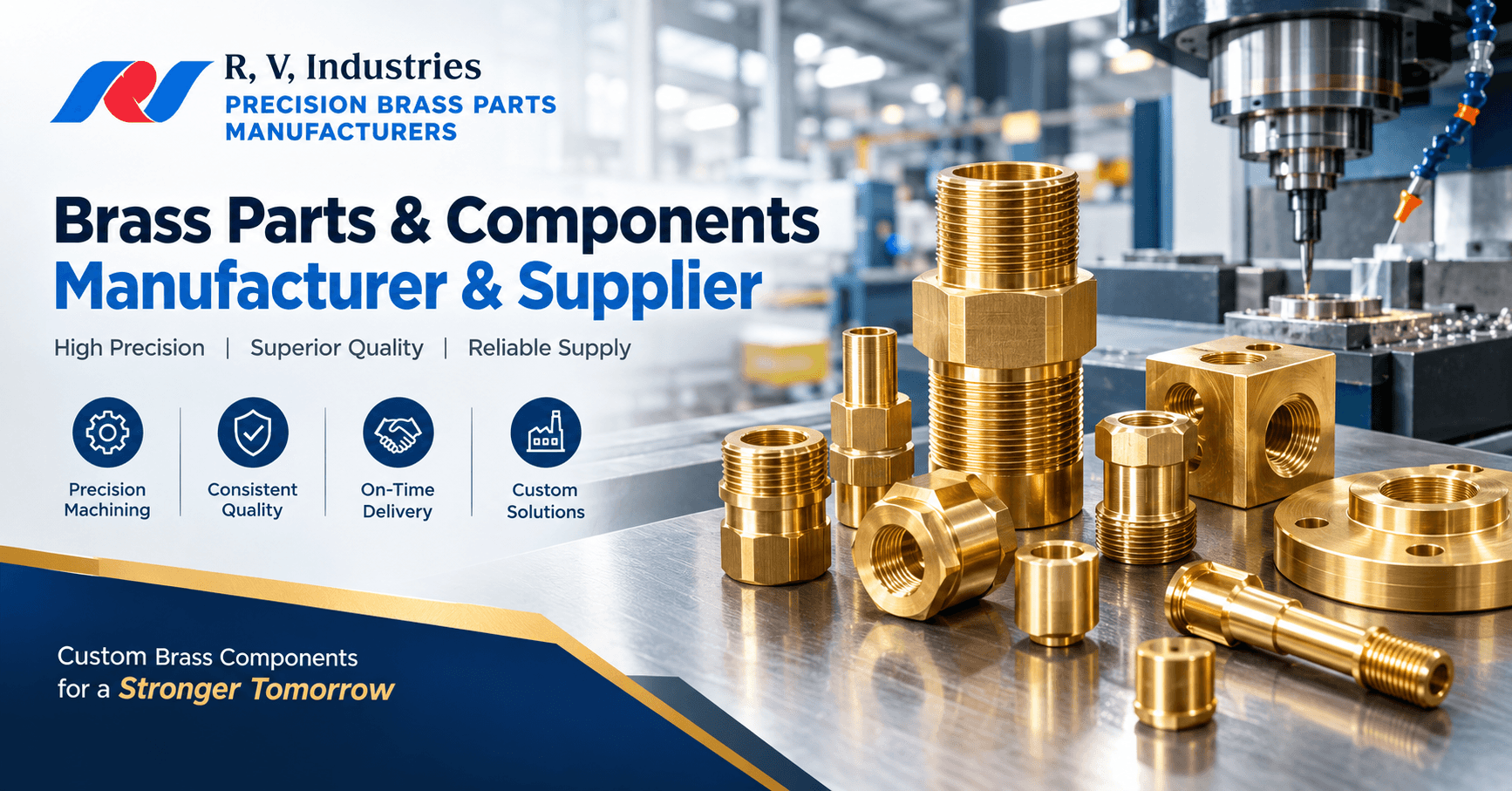
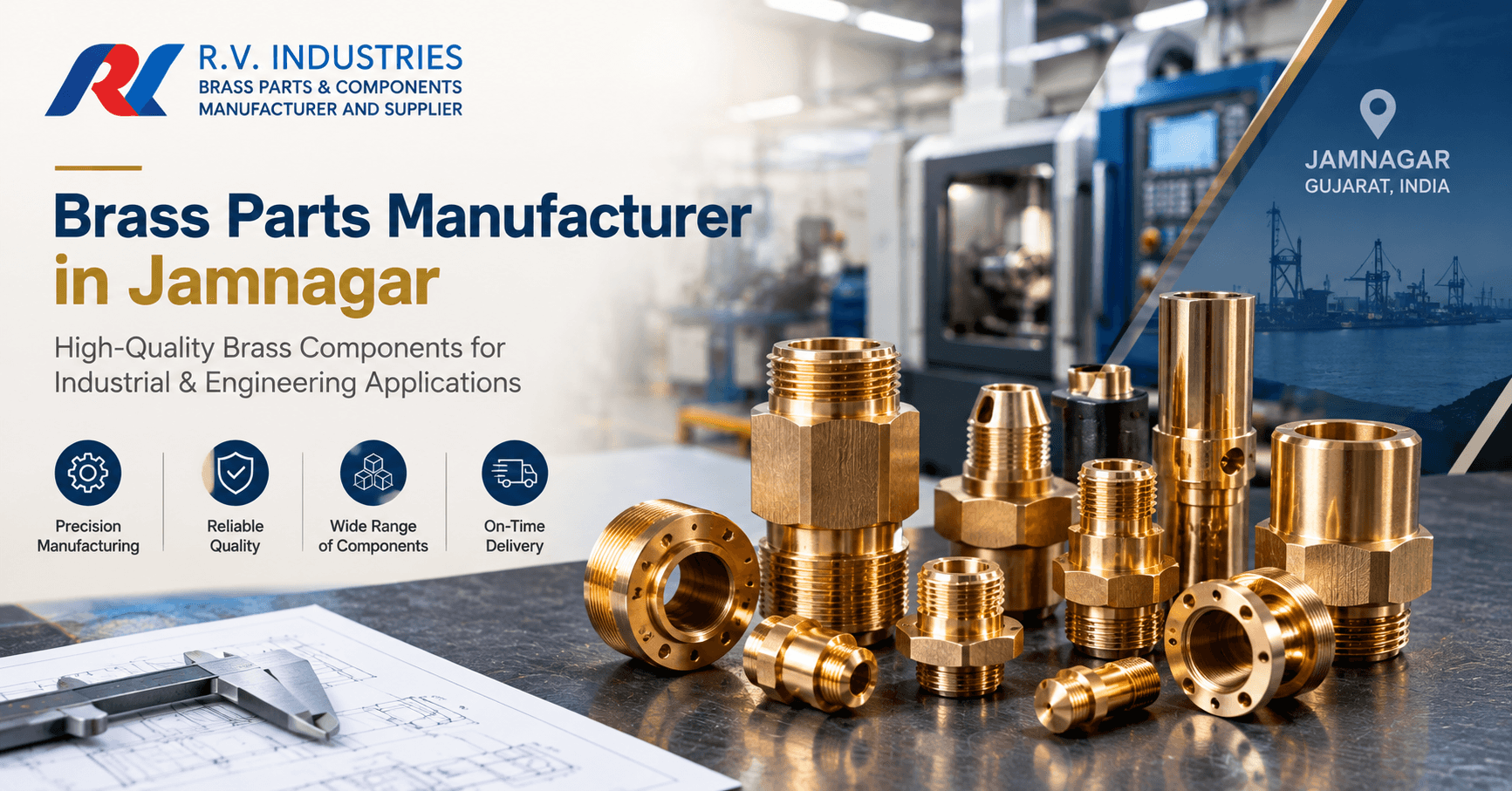
R.V. Industries is a brass parts manufacturer and supplier in India, offering brass components for industrial and engineering applications. For businesses sourcing brass parts, understanding material properties, component requirements, quality checks, and supplier capabilities can make the purchasing process more effective.
This guide explains how to evaluate brass parts suppliers, what to consider before placing an order, and how to make informed sourcing decisions for your business.
What Does a Brass Parts Supplier Do?
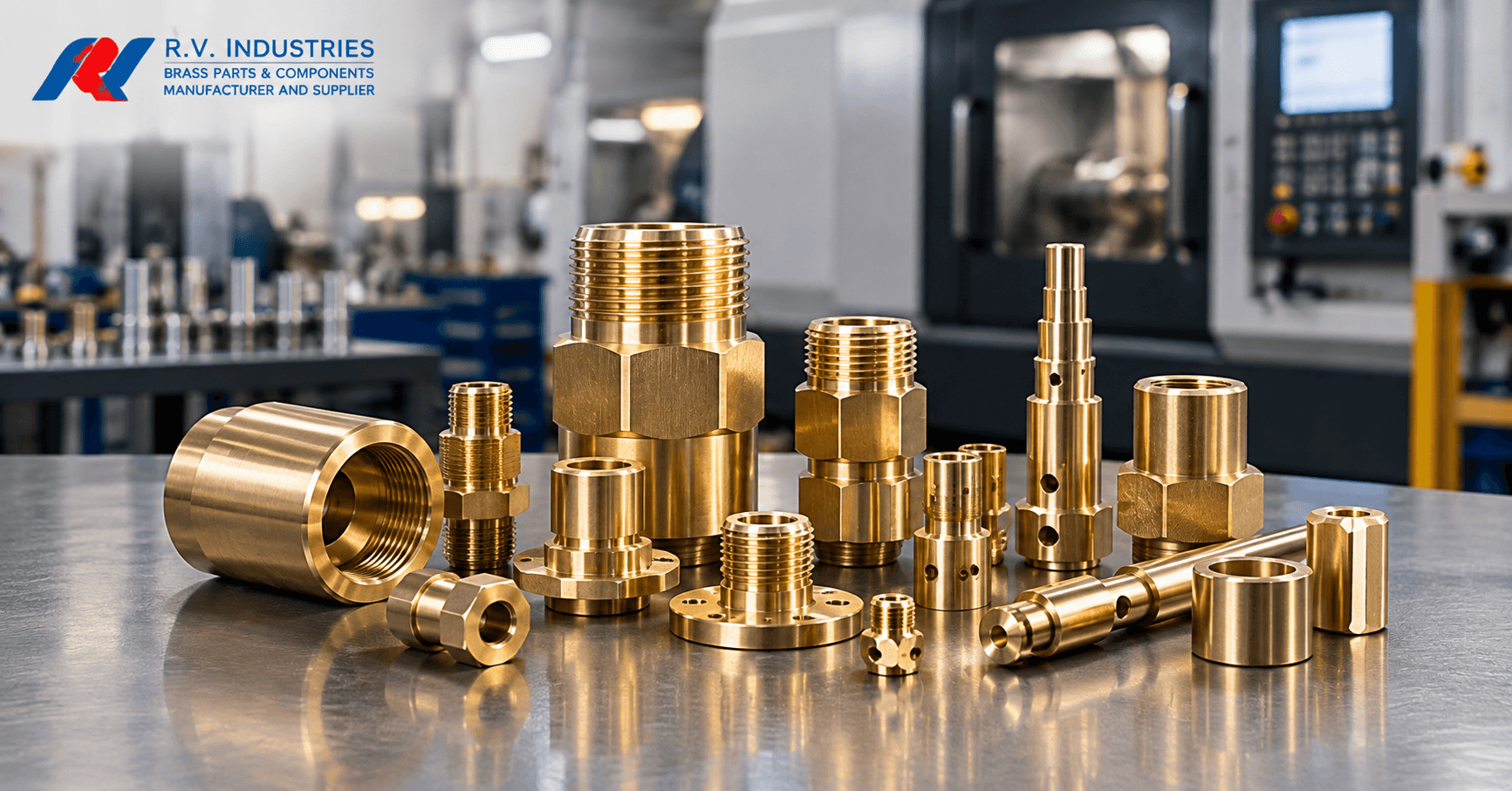
A brass parts supplier provides components made from brass for use in different products, machines, systems, and engineering assemblies. Depending on the supplier's offering, these components may include standard parts or items manufactured according to specific drawings and technical requirements.
Brass is an alloy primarily composed of copper and zinc. Its properties can make it suitable for components that require a combination of machinability, corrosion resistance, electrical conductivity, and functional durability. The exact performance depends on the brass grade, component design, and operating environment.
A suitable supplier helps customers identify the required components and clarify important details before an order is confirmed. These details may include dimensions, material grade, quantity, tolerances, surface finish, and delivery expectations.
Common Brass Components Used in Industry
Brass components serve different purposes depending on their shape, design, and intended application.
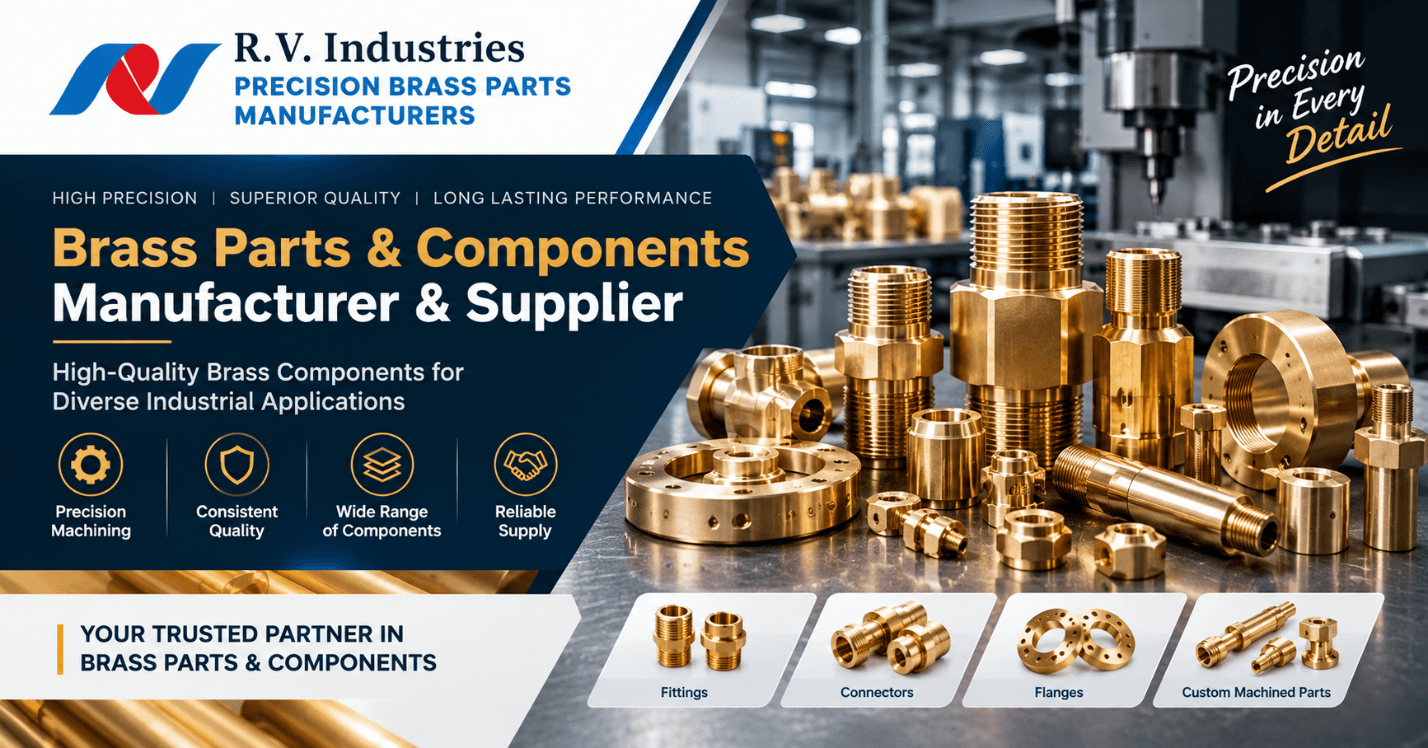
Some common categories include:
- Brass fittings: Used to connect pipes, tubes, and other compatible system components.
- Brass turned parts: Precision-machined components used in mechanical and engineering assemblies.
- Brass electrical components: Parts used in selected connectors, terminals, and electrical equipment.
- Brass engineering parts: Components designed for particular machinery, equipment, and industrial applications.
When sourcing these products, buyers should focus on the technical requirements of the finished component rather than selecting parts based only on material or appearance.
Why Is Brass a Popular Material for Industrial Components?
Brass is used in many industrial applications because it offers several useful material properties. However, not every brass grade performs identically, and the suitability of a component depends on its intended use.
Good Machinability
Many brass alloys can be machined into different shapes and dimensions. This makes them useful for manufacturing components that require defined measurements, threads, grooves, or other detailed features.
For industrial buyers, machinability can support efficient manufacturing and consistent component production when suitable materials and processes are used.
Corrosion Resistance
Brass can resist corrosion in many environments, although its performance depends on the alloy and conditions of use. Exposure to moisture, chemicals, temperature changes, and certain fluids can affect material performance.
A brass parts supplier should be given relevant application details so that material suitability can be evaluated appropriately.
Electrical Conductivity
Brass conducts electricity and is used in selected electrical applications. Its conductivity is generally lower than that of pure copper, so buyers must consider the electrical performance required for the particular component.
Flexibility in Component Design
Brass can be formed or machined into various component shapes. This versatility makes it useful for standard fittings, threaded parts, connectors, and other engineering components.
The final selection should always reflect the component's functional purpose, operating conditions, and technical specifications.
How to Select the Right Brass Parts Supplier
Choosing a supplier involves more than comparing product prices. Buyers should consider technical compatibility, quality assurance, communication, order requirements, and the supplier's ability to meet their sourcing needs.
1. Confirm Product Requirements and Specifications
Before contacting a supplier, define the component you need. Clear specifications help avoid confusion during quotation, manufacturing, inspection, and delivery.
Where applicable, prepare the following information:
- Component dimensions and dimensional tolerances.
- Required brass grade or material specification.
- Thread details, surface finish, and design requirements.
- Required quantity and expected delivery schedule.
If a component is part of an existing machine or assembly, provide a technical drawing or reference sample when available. This can help clarify its design and compatibility requirements.
Why Accurate Specifications Matter
Incomplete specifications can result in unsuitable quotations or components that do not fit the intended assembly. Confirming technical details before ordering helps both parties understand the requirements and reduces the risk of avoidable errors.
2. Evaluate Quality Control Practices
Component quality directly affects assembly compatibility and the reliability of the finished product. Buyers should understand how a supplier checks whether parts meet the agreed specifications.
Depending on the component, relevant checks may include dimensional inspection, thread verification, surface-finish assessment, and confirmation of material requirements.
Ask what inspection procedures are available and whether supporting documentation can be provided when required. The appropriate checks will vary according to component complexity and application.
3. Understand Supply and Order Capabilities
Different businesses have different procurement needs. A small engineering workshop may require limited quantities, while a manufacturer may need recurring supplies for ongoing production.
Before placing an order, discuss the required quantity, ordering frequency, product availability, lead time, packaging, and arrangements for repeat purchases.
It is also useful to confirm how changes to drawings or specifications will be handled. Clear communication can help prevent delays and support better inventory planning.
4. Compare Pricing and Overall Value
Price is an important purchasing factor, but it should be evaluated alongside quality and supply requirements.
A lower quotation may not offer the best overall value if it excludes important specifications, inspection requirements, or other necessary services. Similarly, a higher price does not automatically guarantee better quality.
Request quotations based on comparable technical requirements. Consider material specifications, tolerances, order quantity, delivery terms, and any additional requirements before making a decision.
Industries That Depend on Brass Parts Suppliers
Brass components are used across a range of industries. Their suitability depends on the component design, material grade, and required operating performance.
Electrical and Electronics
Selected brass components are used in connectors, terminals, and other electrical assemblies. Buyers should confirm the required conductivity, operating temperature, contact performance, and relevant technical standards.
Plumbing and Fluid Handling
Brass fittings and connectors can be used in certain plumbing and fluid-handling applications. The selected material must be compatible with the fluid, pressure, temperature, and applicable requirements.
Machinery and Engineering
Industrial equipment and machinery may incorporate brass components for connections, mechanical assemblies, and specialised functions. Accurate dimensions and compatibility with adjoining parts are important considerations.
Automotive and Equipment Manufacturing
Some automotive and industrial equipment applications use brass components for specific electrical, mechanical, or fluid-related functions. Component selection should follow the design requirements and operating conditions of the intended system.
Why Consider R.V. Industries for Brass Components?
R.V. Industries is a brass parts manufacturer and supplier in India, offering brass components for industrial and engineering applications.
Businesses searching for a brass parts supplier should begin by identifying their product requirements and confirming whether the supplier can meet them. Material specifications, dimensions, quantities, and intended applications are useful starting points for evaluating suitability.
When enquiring with R.V. Industries, buyers can prepare relevant component drawings, reference images, technical specifications, and estimated order quantities. Sharing these details helps establish a clear understanding of the required parts and supports a more focused discussion about availability, pricing, and supply arrangements.
For businesses comparing potential suppliers, it is important to ask questions about product suitability, quality checks, and delivery expectations before confirming an order.
Visit the official R.V. Industries website to learn more about the company and enquire about brass components for your industrial or engineering requirements.
Frequently Asked Questions About Brass Parts Suppliers
1. What should I look for in a brass parts supplier?
Look for a supplier that can address your component specifications, material requirements, dimensional tolerances, quality expectations, order quantities, and delivery needs. Clear communication and transparent quotation details are also important.
2. How do I find a brass parts supplier in India?
Research suppliers that offer components relevant to your industry and application. Review their available product information, share your technical requirements, compare quotations, and confirm their ability to meet your specifications before ordering.
3. What information is needed to request a brass parts quotation?
Provide the component drawing or reference image, material grade, dimensions, tolerances, required quantity, surface-finish requirements, and intended application. Include delivery expectations and relevant technical standards where applicable.
4. Are brass components suitable for all industrial applications?
No. Brass is suitable for many applications, but its performance depends on the alloy, design, operating temperature, pressure, chemical exposure, and mechanical loading. The material must be selected according to the specific requirements of the application.
5. Can I request brass parts according to custom specifications?
Custom brass components may be possible depending on the supplier's manufacturing capabilities, tooling, material availability, design complexity, and order quantity. Provide technical drawings and discuss the requirements directly with the supplier.
6. Why is material quality important when buying brass parts?
Material composition influences properties such as strength, machinability, corrosion resistance, and conductivity. Selecting a suitable grade helps ensure that a component meets the intended application's technical requirements.
Conclusion
Choosing the right brass parts supplier helps businesses manage component quality, purchasing costs, and production requirements more effectively. By checking material suitability, dimensional accuracy, quality control, order capabilities, and delivery expectations, buyers can make better-informed sourcing decisions.
Brass offers useful properties for a wide range of industrial and engineering applications, but the correct component must match the technical requirements of its intended use. Providing clear specifications and discussing expectations with a supplier can help simplify the procurement process.
R.V. Industries is a brass parts manufacturer and supplier in India serving industrial and engineering requirements. If your business is looking for brass components, visit R.V. Industries to explore the company's website and enquire about your requirements.