Brass components play an important role in industrial machinery, electrical systems, plumbing equipment, and engineering applications. Their combination of machinability, corrosion resistance, and useful mechanical properties makes brass a practical material for manufacturing a wide range of precision parts. Choosing the right brass parts manufacturer is therefore essential for businesses seeking components that meet their application requirements and production needs.
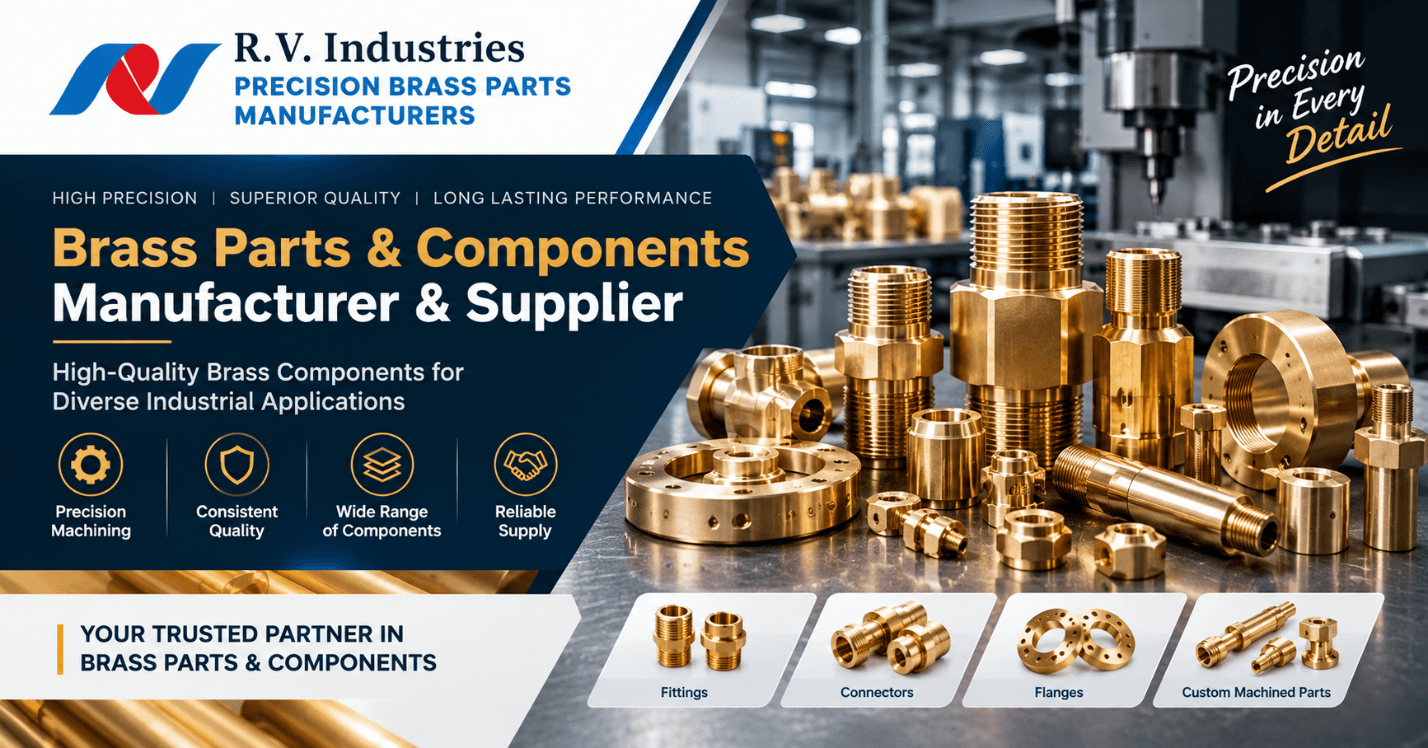
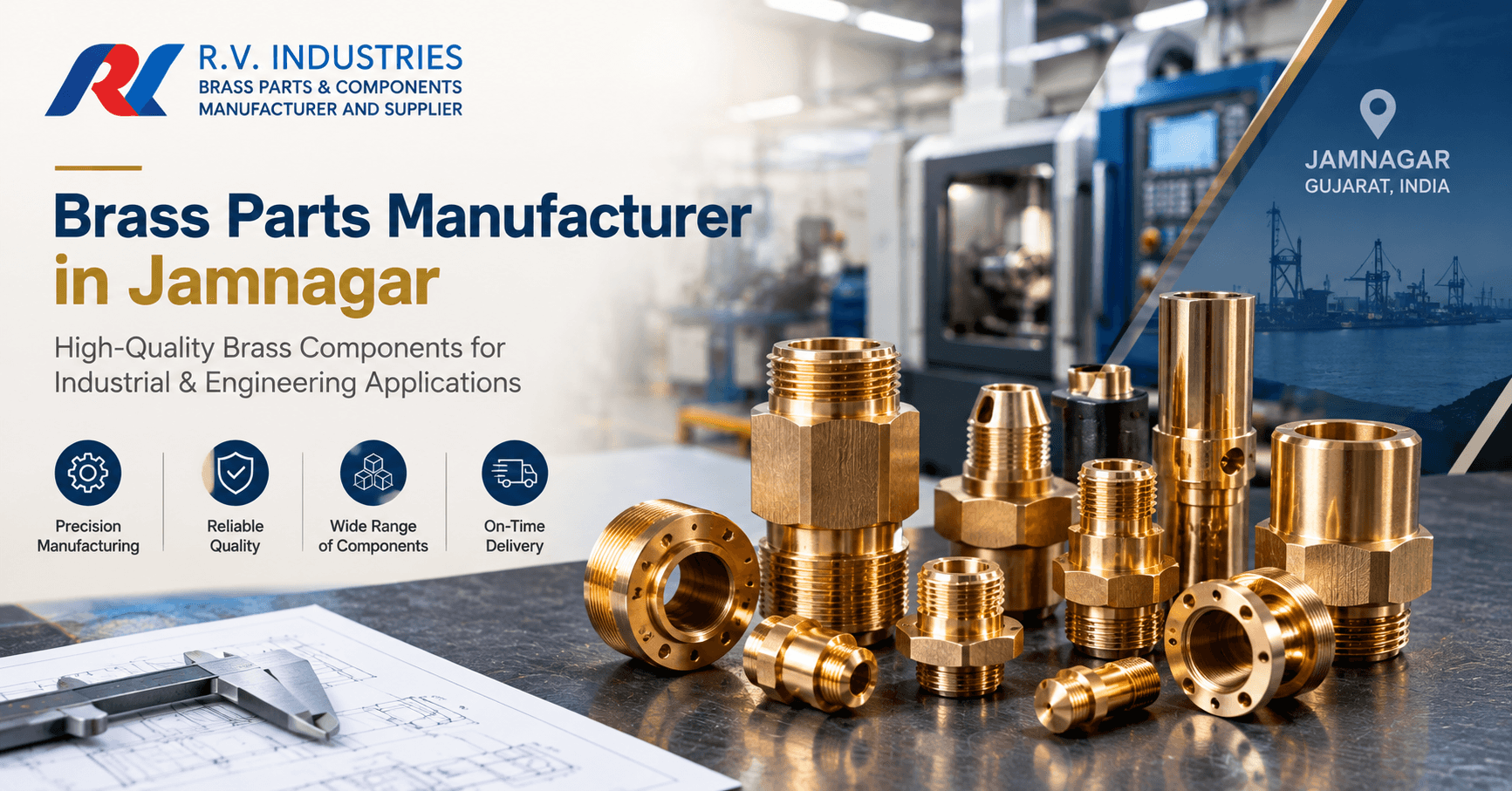
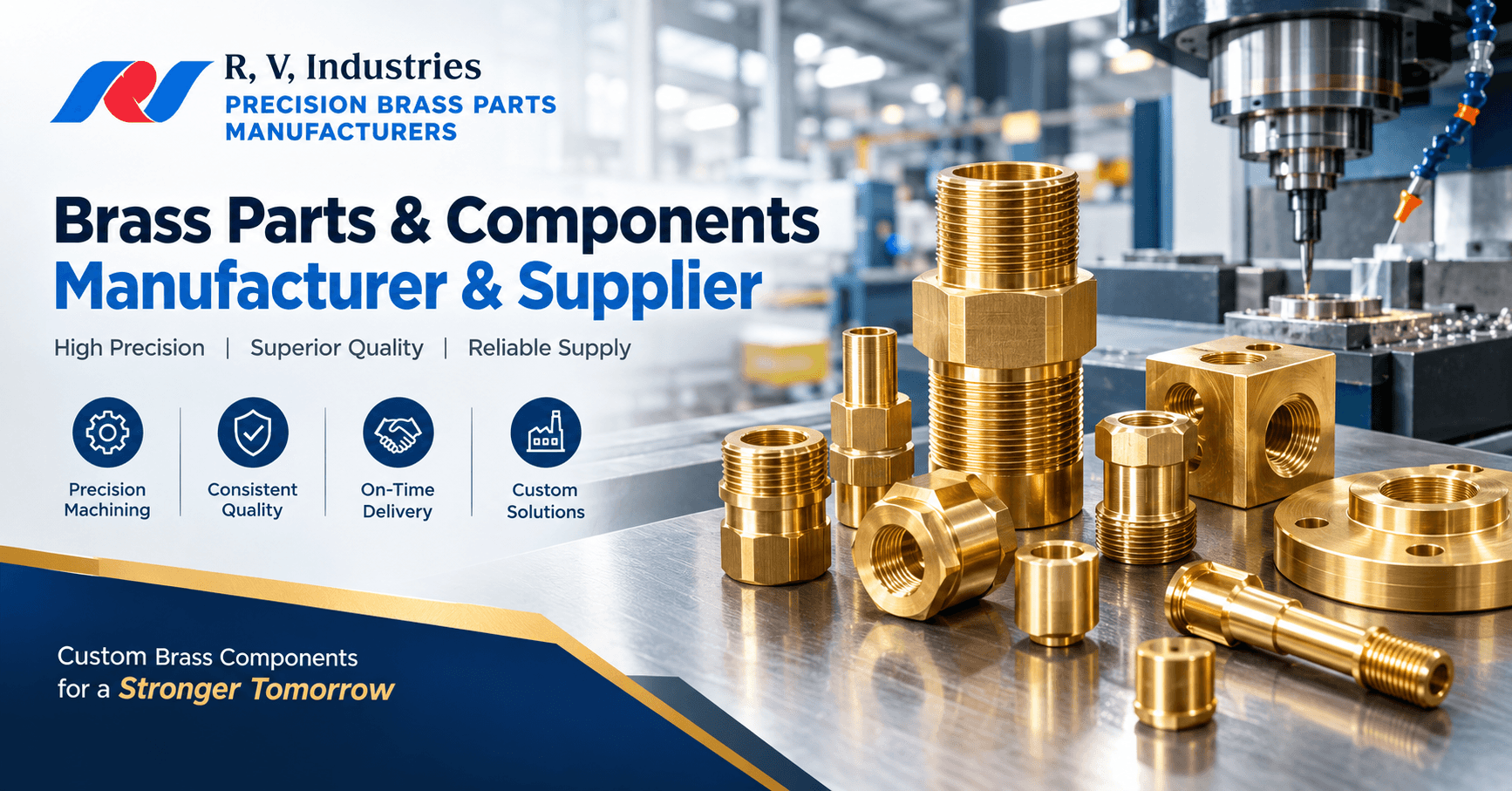
R.V. Industries is a brass parts and components manufacturer and supplier in India, serving industrial and engineering requirements. Whether a business needs brass components for equipment assembly, replacement parts, or specialised engineering applications, understanding material selection, manufacturing quality, and supplier capabilities can help support better purchasing decisions.
This guide explains the key factors to consider when choosing a brass parts manufacturer and how to evaluate components for your specific requirements.
What Is a Brass Parts Manufacturer?
A brass parts manufacturer produces components from brass, an alloy primarily made of copper and zinc. Depending on the material grade, component design, and intended application, brass can offer a useful balance of machinability, strength, corrosion resistance, and electrical conductivity.
Manufacturers produce brass components in different shapes and sizes to suit industrial, commercial, and engineering requirements. The final design depends on how the component will be installed, what conditions it will encounter, and how it must perform within a larger assembly.
A reliable supplier should understand these application requirements and help customers identify suitable components based on their technical specifications.
Common Types of Brass Parts and Components
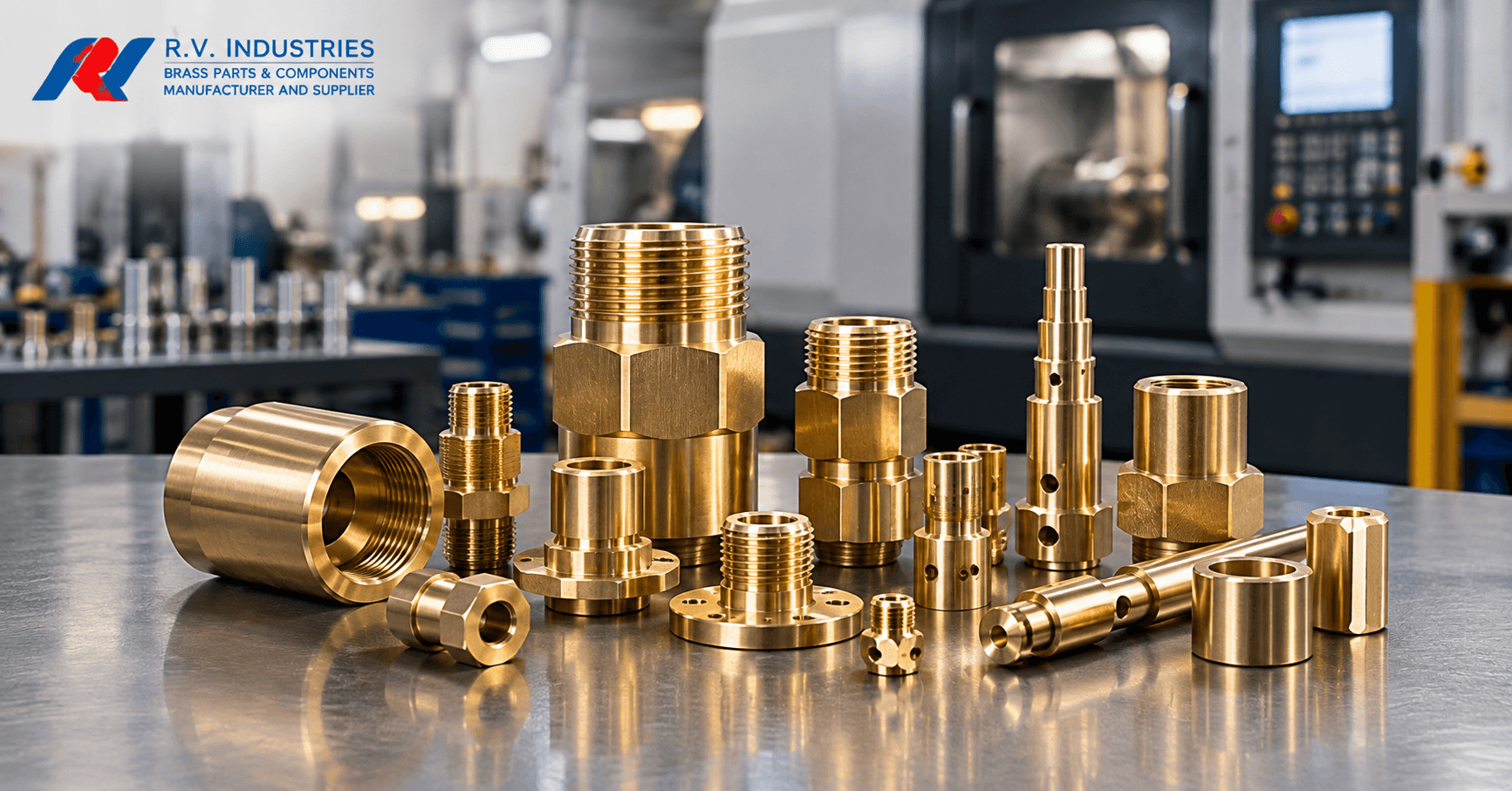
Brass components are used across many industries because the material can be machined into different shapes and functional designs.
Common categories include:
- Brass fittings: Components used to connect pipes, tubes, or other system elements.
- Brass turned parts: Machined components designed for applications requiring defined dimensions and shapes.
- Brass electrical components: Parts used in electrical assemblies where the material's conductivity and design suitability are important.
- Brass engineering components: Specialised parts used in machinery, equipment, and industrial assemblies.
The exact component type should be selected according to the intended application, dimensional requirements, operating environment, and relevant technical standards.
Why Is Brass Used in Industrial Applications?
Brass remains a widely used engineering material because it offers several properties that can be valuable in industrial manufacturing. However, its suitability depends on the specific brass grade and the conditions in which the finished component will operate.
1. Good Machinability
Many brass grades can be machined efficiently, making them suitable for producing components with detailed shapes and precise dimensions. Machinability can also support repeatable production when the material, tooling, and manufacturing process are appropriately selected.
2. Corrosion Resistance
Brass can provide useful corrosion resistance in many environments. Nevertheless, performance varies according to alloy composition, moisture exposure, chemicals, temperature, and other operating conditions. Selecting the correct grade is important, particularly for components exposed to water or aggressive substances.
3. Electrical and Thermal Conductivity
Brass conducts electricity and heat, although its conductivity differs from that of pure copper and varies with alloy composition. These properties can make certain brass grades suitable for electrical and thermal applications when their other performance requirements are also satisfied.
4. Versatility in Component Design
Brass can be processed into various component geometries, including threaded parts, fittings, connectors, and precision-machined pieces. This flexibility helps manufacturers address different industrial and engineering requirements.
How to Choose the Right Brass Parts Manufacturer
Selecting a brass parts manufacturer involves more than comparing prices. Businesses should assess technical suitability, quality control, communication, and the supplier's ability to meet their purchasing requirements.
Evaluate Material Selection and Specifications
Before placing an order, identify the technical requirements of the component. These may include the brass grade, dimensions, thread type, tolerances, surface finish, and operating conditions.
A manufacturer should be able to review the available specifications and clarify any missing information before production or supply.
Why Material Grade Matters
Different brass alloys have different mechanical, machining, corrosion-resistance, and conductivity characteristics. A grade suitable for one component may not be appropriate for another.
Customers should confirm material requirements against their engineering drawings, applicable standards, and intended operating environment rather than choosing a material based on appearance alone.
Check Dimensional Accuracy and Quality Control
Dimensional consistency is particularly important for parts that must fit into existing equipment or work with other manufactured components. Incorrect dimensions can create assembly difficulties, affect performance, and increase rework costs.
When evaluating a supplier, ask about its inspection procedures and how component dimensions are checked against the agreed specifications.
Important considerations include:
- Dimensional accuracy and specified tolerances.
- Thread quality and compatibility, where applicable.
- Surface finish and visible defects.
- Consistency between samples and production batches.
The appropriate inspection requirements depend on the component's complexity and intended use.
Assess Manufacturing and Supply Capabilities
Different projects have different purchasing requirements. Some businesses need standard components, while others require parts manufactured to drawings or specific dimensions.
Before choosing a supplier, clarify whether the required component is a standard item or a custom design. Discuss expected quantities, delivery schedules, packaging, documentation, and any requirements for repeat orders.
Clear communication at this stage can reduce misunderstandings and help businesses plan their procurement more effectively.
Compare Overall Value, Not Just Price
A low unit price does not necessarily represent the lowest overall cost. Components that fail to meet specifications can lead to assembly problems, production delays, inspection expenses, and replacement costs.
When comparing quotations, consider the material specification, quality requirements, quantity, lead time, packaging, and any additional services included in the offer.
Requesting comparable quotations based on the same technical details makes supplier evaluation more meaningful.
Industries That Use Brass Components
Brass parts are used in a variety of industries, although the exact applications depend on the alloy, design, and performance requirements.
Electrical and Electronics
Brass components can be used in selected connectors, terminals, and other electrical assemblies. Buyers should verify conductivity, temperature limits, contact requirements, and applicable electrical standards for the intended application.
Plumbing and Fluid Systems
Brass fittings and connectors are used in certain plumbing and fluid-handling systems. The material grade must be appropriate for the fluid, pressure, temperature, and relevant regulations.
Machinery and Engineering
Precision-machined brass components can support mechanical assemblies, equipment connections, and other engineering functions. Dimensional accuracy and compatibility with surrounding parts are important selection criteria.
Automotive and Industrial Equipment
Some automotive and industrial systems incorporate brass components for specialised mechanical, electrical, or fluid-related purposes. Selection should be based on the component's actual operating conditions and engineering specifications.
Why Consider R.V. Industries for Brass Parts?
R.V. Industries is a brass parts and components manufacturer and supplier in India, with a focus on brass components for industrial and engineering applications.
Businesses evaluating suppliers should begin by identifying their component requirements and sharing the relevant technical details. This allows the supplier to understand the intended use and determine whether the requested components align with its offering.
When contacting R.V. Industries, customers can prepare the following information to support a more productive enquiry:
- Component drawings or reference images, if available.
- Required material grade and dimensional specifications.
- Estimated order quantity and expected purchasing frequency.
- Intended application and any applicable technical or quality requirements.
Providing this information helps clarify the scope of the enquiry and supports more accurate discussions about component suitability, pricing, and supply arrangements.
To learn more about the business and its brass components, visit the official R.V. Industries website.
Frequently Asked Questions About Brass Parts Manufacturers
1. What does a brass parts manufacturer do?
A brass parts manufacturer produces or supplies components made from brass for industrial, commercial, electrical, plumbing, and engineering applications. Components may be standard items or parts designed around specific technical requirements.
2. How do I choose a reliable brass parts manufacturer in India?
Compare suppliers based on material suitability, dimensional accuracy, quality inspection, manufacturing or supply capabilities, communication, pricing, and delivery expectations. Confirm that the supplier can address your specific component requirements before placing an order.
3. What information should I provide when requesting a brass parts quotation?
Provide the component drawing or reference image, material grade, dimensions, tolerances, quantity, surface-finish requirements, intended application, and expected delivery schedule. Include relevant technical standards where applicable.
4. Are brass components suitable for every industrial application?
No. Brass is useful for many applications, but it is not suitable for every operating environment. Alloy composition, temperature, pressure, chemical exposure, mechanical loading, and regulatory requirements should all be considered before selecting a component.
5. Can brass components be manufactured to custom specifications?
Brass can be machined into different shapes and dimensions, making custom components possible. However, availability depends on the manufacturer's capabilities, tooling, design complexity, material requirements, and order quantity. Confirm these details directly with the supplier.
6. Why is quality control important when purchasing brass parts?
Quality control helps verify that components meet agreed specifications and fit their intended assemblies. Appropriate checks can reduce dimensional mismatches, rework, production interruptions, and avoidable replacement costs.
Conclusion
Choosing the right brass parts manufacturer is an important step in maintaining component quality, assembly compatibility, and reliable procurement. Businesses should evaluate material grades, dimensional tolerances, inspection procedures, supply capabilities, and overall value before making a purchasing decision.
Brass offers useful properties for many industrial and engineering applications, but the correct material and component design must match the operating requirements. Clear specifications and communication with the supplier can make the selection process more efficient.
R.V. Industries is a brass parts and components manufacturer and supplier in India for industrial and engineering requirements. If your business is looking for brass components, visit R.V. Industries to learn more and enquire about your requirements.